Abathsahayanathar temple, ThenKurangaduthurai
Location
Thenkurangaduthurai (known as Aduthurai)
Deity
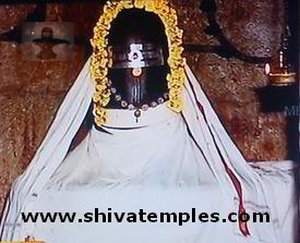
Abathsahayanathar
Female Deity
Pavalakkodiammai
Pathikam
Sambandar - 1, Tirunavukarasar - 1
Gallery - ThenKurangaduthurai
How to Reach
This shiva temple is situated at Aduthurai on the Kumbakonam–Mayiladuthurai road, approximately 13 km from Kumbakonam and about 20 km from Mayiladuthurai.
Temple Address
Aaduthurai
Aaduthurai Post
Thiruvidaimarudur Taluk
Thanjavur District
PIN – 612101
Temple Hours
Morning : 7:30 - 12:00
Evening : 5:30 - 8:30
Nearby Paadal Petra Shiva Temples
Historical Background
The temple known as Then-Kurangaduthurai, or South-Kurangaduthurai, derives its distinctive name from a confluence of geographical positioning and historical association. Specifically, its location to the south of the sacred River Cauvery contributes to the 'Then' (south) prefix, while its appellation is further rooted in the Puranic tradition, referencing the worship of the presiding deity by Sugreeva, a prominent figure in the epic Ramayana. Beyond its etymology, the temple holds significant architectural and historical value, having been rebuilt in granite by the esteemed Chola queen Sembian Mahadevi, a patron renowned for her extensive temple renovations during the imperial Chola period.
Temple Layout
Outer Prakaram
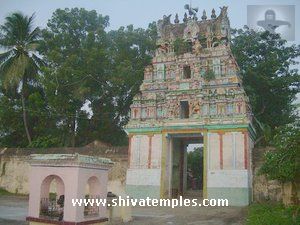
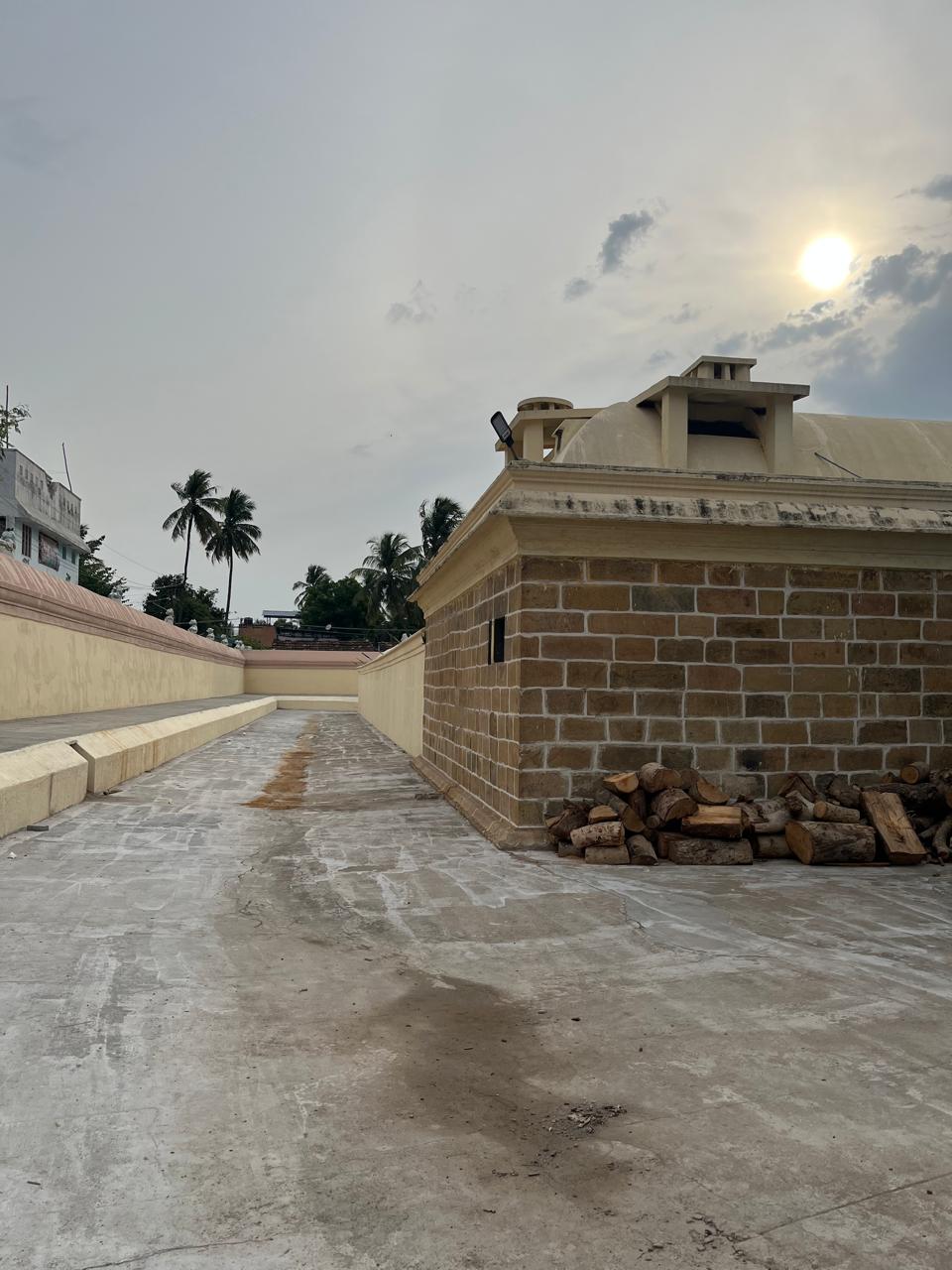
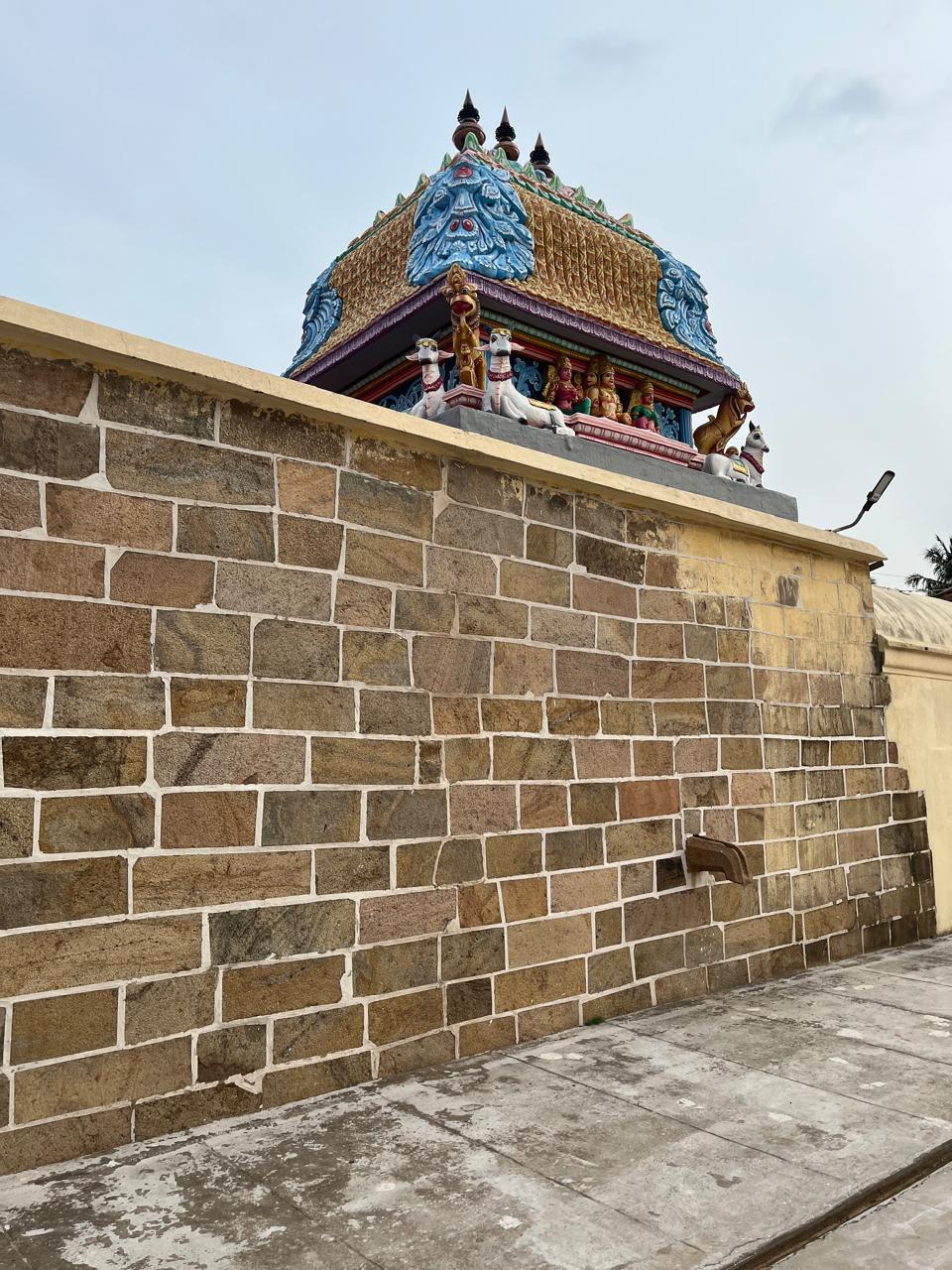
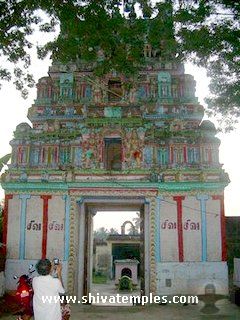
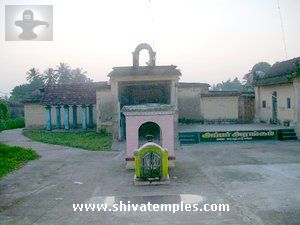
The temple faces east and features a spacious layout comprising two prakarams, providing ample space for devotees to perform ritual circumambulation. Upon entering through the main gateway, devotees first encounter the shrine of Kodimara Vinayaka, followed by the Bali Peetam and Nandi housed within a small mandapa. Proceeding clockwise through the broad outer prakaram, one reaches the Mani Mandapa, where the southern wall is adorned with stone inscriptions of the sacred Thevaram hymns and Thiruppugazh verses associated with this temple. The outer prakaram contains several important sannidhis dedicated to Viswanathar, Visalakshi, Vinayaka, Surya, Chandra, the Navagrahas, and Lord Muruga. The shrine of Goddess Pavalakodi Ammai, facing south, is also located within this enclosure, close to the second gateway.
Second Gateway
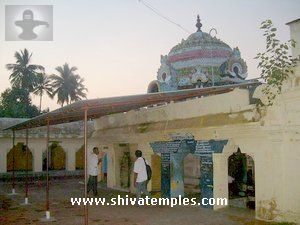
Proceeding further through the second gateway, one reaches a mandapa whose upper façade features a stucco depiction of Sugriva worshipping Abath Sahayeswarar. Another panel illustrates the sacred temple legend, where Sugriva is transformed into a swan and his consort into the divine Parijatha (Pavalamalligai) tree.
Inner Prakaram
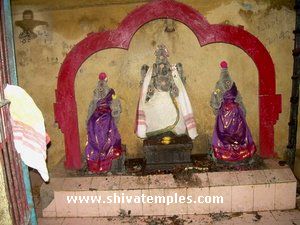
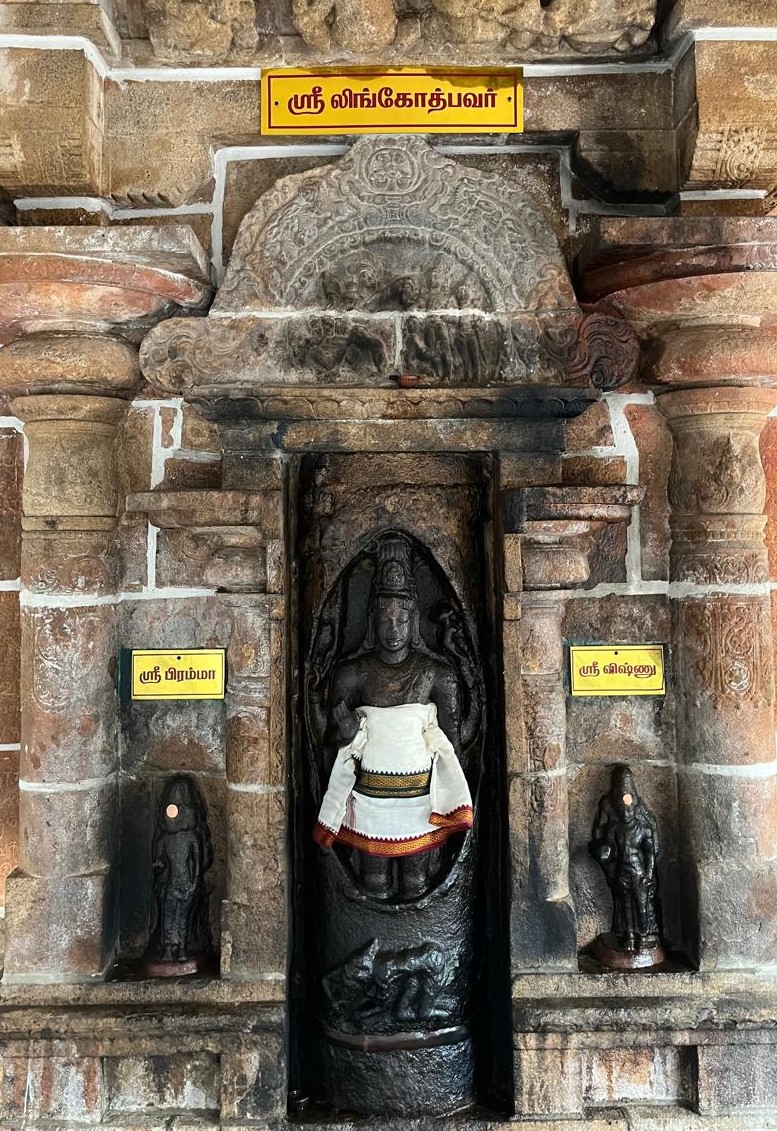
The third and innermost gateway opens into the inner prakaram surrounding the sanctum of the presiding deity, the Swayambhu Linga of Abath-Sahayeswarar. Directly facing the sanctum are the Nandi and the Balipeetam. The sanctum is encircled by a moat-like structure, and its entrance is flanked by two majestic Dwarapalakas. The Goshta deities include Narthana Vinayaka, Sage Agasthya, Dakshinamurthy, Lingodhbhava, Brahma, and Durga. A beautiful sculpture depicting Queen Sembian Madevi worshipping God Shiva can also be seen here. The inner prakaram houses a sannidhi for Muruga with His consorts Valli and Deivanai, along with a separate shrine for Goddess Gajalakshmi. Another north-facing shrine enshrines Goddess Durga, who majestically manifests with eight divine arms, bestowing Her benevolent grace upon devotees. Nearby are the idols of Ganga Visarjana Murti and Bhairava Murti, while an image of Vishnu Durga stands adjacent to them.
Other Special Features
Historical Sculptures
When one circumambulates the sannidhi of Goddess Pavala Kodiyamman, two beautiful bas-relief sculptures can be seen on the rear wall – one depicting Sugriva performing Shiva worship and the other showing Queen Sembian Madevi in reverential posture.
Vruksham and theertham
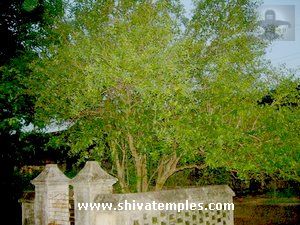
The sacred tree (Sthala Vriksha) of this temple is the Parijatha. The temple has two associated water bodies – the Sakaya Theertham and, directly opposite the temple, the Surya Theertham.
Solar Light Phenomenon
Every year, on the 5th, 6th, and 7th days of the Tamil month of Chithirai, the sun's rays reflect upon the Surya Theertham and directly fall upon the main deity inside the sanctum.
Parihara Worship
Devotees believe that offering special worship to Surya and Shani Bhagavan on Sundays and Saturdays helps resolve conflicts between father and son. It is also believed that sincere prayers here bring prosperity in career and finances. On Pournami (Full Moon), it is said that offering sandal paste and herbal oils to Sage Agastya brings fulfillment of one's wishes.
Nearby Vaippu Sthalam
The ancient inscriptions of this temple mention the nearby village of Maruthuvakudi, located close to Then Kurankadu Thurai (Aaduthurai). This Maruthuvakudi is the Tiru Idai Kulam temple, revered as a thevara Vaippu Sthalam.
Tirugyana Sambandar declares in his hymn that those who worship the deity of this sacred place will attain the glory of dwelling with the celestial beings. Tirunavukkarasar (Appar) states in his hymn that worshipping the deity of this temple will remove all karmic afflictions and sins.
Gallery